

Japanese | English
– When Death Returns to the World –
Death is not an ending.
It is one of the quietest beginnings in nature.
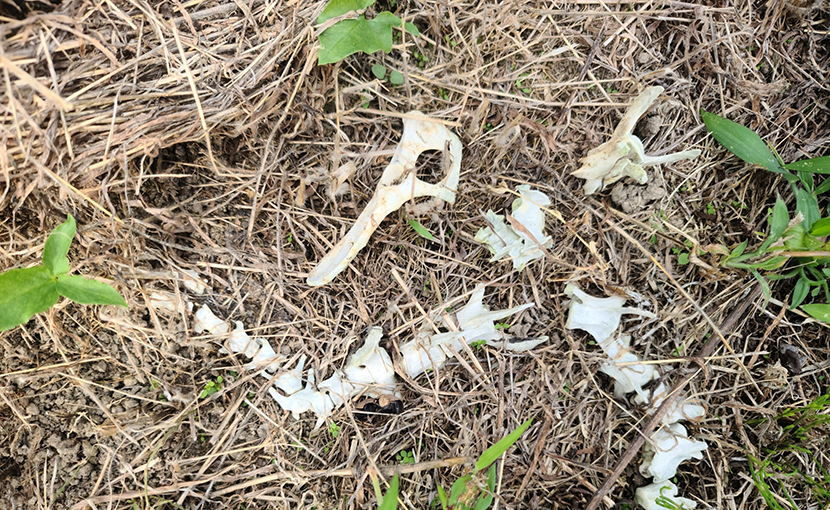
When an animal dies in a forest, the absence of life does not suddenly appear. As body heat fades and muscles relax, other forms of life are already awakening. Invisible to the eye, microorganisms respond immediately. Bacteria and fungi multiply, entering a body that has ceased to defend itself, and begin the slow work of unmaking.
This sequence is known as the decomposition cascade.
It lacks the drama of predation.
There is no chase, no struggle, no spectacle of violence.
Yet this silent chain of events sustains ecosystems more fundamentally than any visible interaction among living animals.
The decomposition cascade unfolds not as a single event, but as a structured flow—death initiating a sequence of biological, physical, and chemical transformations that ultimately return matter to the living world.
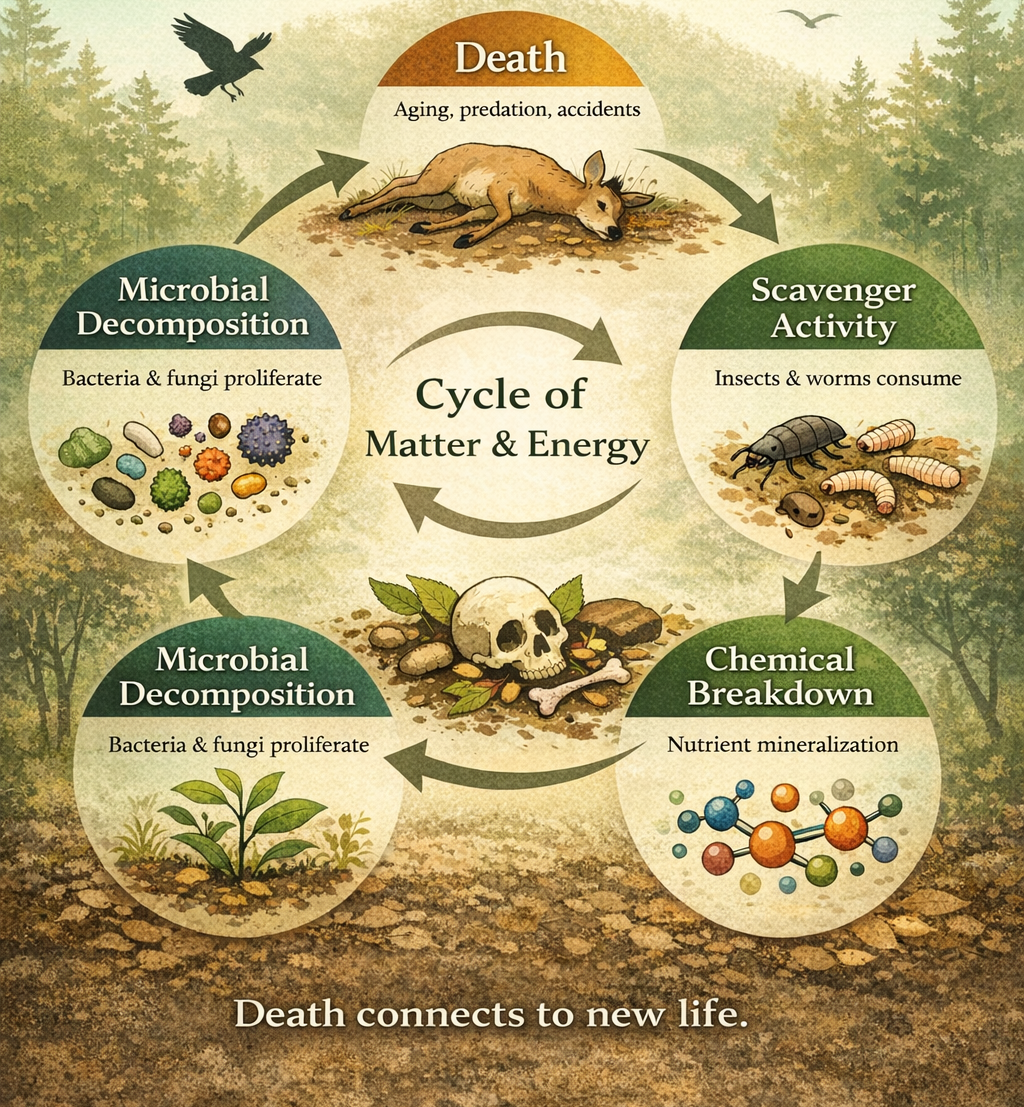
The true agents of this cascade are not scavengers with feathers or claws. Vultures and beetles may arrive, but they do not complete the process. The final authority belongs to microbes.
To them, a corpse is not death.
It is organic matter—carbon, nitrogen, phosphorus—temporarily assembled into a single form. Flesh, bone, and organs are not symbols of loss; they are resources. Everything is dismantled, redistributed, and returned to soil, water, and air.
There is no judgment in this process.
Only circulation.
In intact ecosystems, nothing is allowed to remain dead for long. Something always touches, penetrates, consumes, and transforms. This may appear cruel to human sensibilities, but without it, the world would accumulate unresolved remains, and life itself would stall.
The decomposition cascade is nature’s method of recovery.
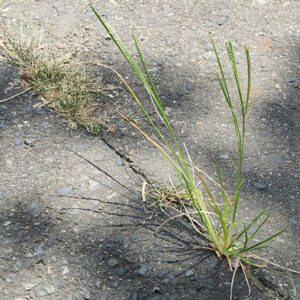
Human societies, however, have gradually distanced themselves from this flow. Asphalt seals the ground. Concrete separates bodies from soil. Disinfectants and pesticides eliminate decomposers. Death is removed, processed, and hidden.
As a result, death no longer circulates.
It is managed.
When a body cannot return to the earth, it loses its ecological destination. Where the decomposition cascade is interrupted, the flow of life slows and fractures. The consequences surface later—through imbalance, disease, and environmental instability.
The decomposition cascade functions as the immune system of the biosphere. By breaking down death efficiently and completely, ecosystems prevent accumulation and excess. Environments that reject decomposition are often the most fragile.
Every living being, without exception, will enter this cascade.
We rarely acknowledge this inevitability, but it remains absolute.
Death is not disappearance.
It is restitution.
The decomposition cascade may be nature’s final act of respect—an assurance that nothing is wasted, that every form returns to the shared fabric of life, quietly handed forward to whatever comes next.
コメント