

Japanese | English
– On Spectacle, Control, and the Human Gaze –
There was a time when I could watch animals perform for human audiences.
That time has passed—not because of anger, but because understanding has made looking impossible.
Circuses, trained monkeys, aquatic shows.
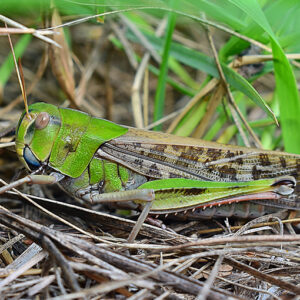
Primates, mammals, birds, reptiles.
Across species and settings, one condition remains constant: these animals are asked to alter their behavior for the sake of being watched.
The word training sounds neutral, even benevolent. In practice, it is a process of selection—reinforcing behaviors that suit human expectations while suppressing those that do not. What matters is not what an animal would choose to do, but what it can be made to do on cue.
When primates are taught to imitate human gestures and provoke laughter, their intelligence is reduced to caricature.
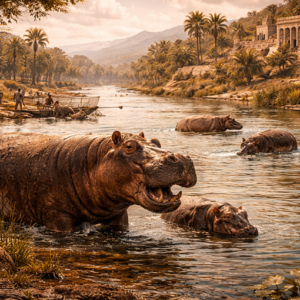
When large mammals are compelled to demonstrate obedience, their submission becomes the spectacle itself.
When birds fly along predetermined paths, or reptiles remain motionless under display lights, control is mistaken for calm.
What is presented is not the diversity of animal life, but proof of manageability.
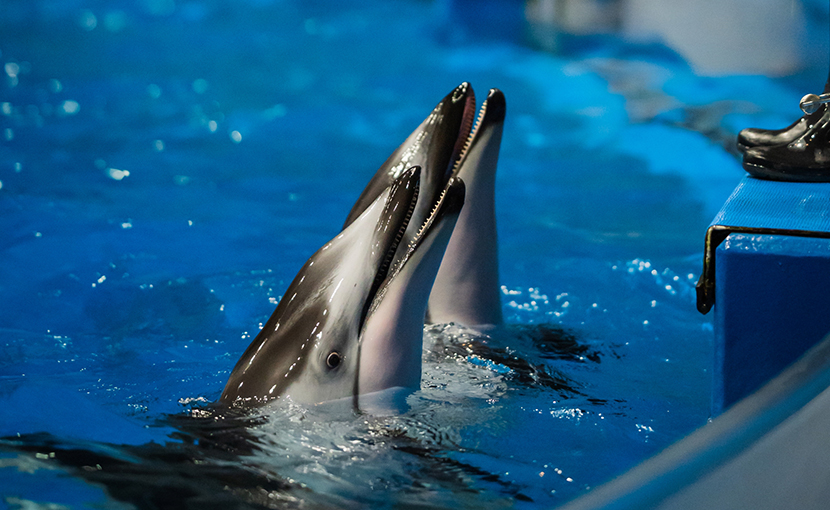
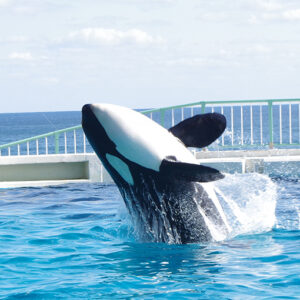
Modern aquatic shows refine this structure further. Framed as education or inspiration, they offer a carefully edited version of nature—one designed to be understandable, predictable, and emotionally satisfying for human viewers. Highly social animals perform repetitive routines within severely restricted environments, while the language surrounding them speaks of harmony and connection.
The contradiction often goes unnoticed.
What I find most difficult to endure is not the existence of these performances alone, but the ease with which they are enjoyed. Applause, admiration, uncomplicated delight. The absence of malice is precisely what makes the situation more troubling.
Enjoyment silences questions.
Is the animal willing?
Is stress present but invisible?
Is this interaction necessary at all?
Such questions dissolve in the face of entertainment.
Animals cannot refuse in language. They cannot negotiate terms or explain discomfort. Their silence is frequently interpreted as consent, when in reality it reflects the absence of choice.
Silence is not agreement.
It is what remains when voice has been removed.
My inability to enjoy animal performances is not the result of excessive sensitivity. It is the consequence of recognizing the structure beneath the spectacle: a system in which one species asserts dominance over another and converts that dominance into leisure.
Once this structure becomes visible, neutrality becomes impossible.
Human beings often define themselves as intelligent and ethical. If that is so, the question is not how much we are capable of enjoying, but what we are capable of declining to enjoy.
To look away, to withhold applause, to choose non-participation—these are small acts. Yet they represent a refusal to normalize control as entertainment.
And sometimes, refusing to watch is the most honest response left.




コメント