

Japanese | English
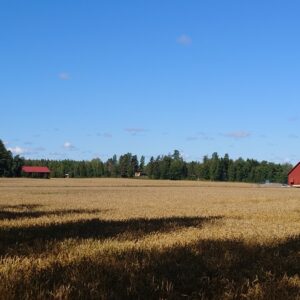
The town where I lived from early childhood through junior high school was built on reclaimed land.
It was a new piece of earth created by filling in the sea, yet many vacant lots still remained. In those places that had not yet been fully organized, tall weeds grew thickly. When the wind blew, the grass swayed slowly like waves.
There were many living creatures there.
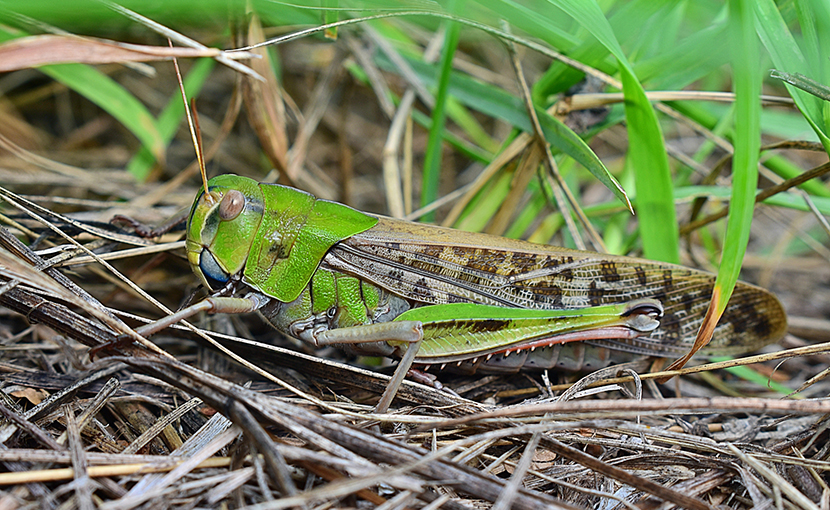
When we walked through the grass, grasshoppers sprang up all at once, and dragonflies glided low through the air. Butterflies drifted quietly, and beneath the grass one could sense the presence of beetles.
Though it was only a small vacant lot, there was undeniably a small world living there.
Among children, the most popular creatures were mantises and large grasshoppers.
Children are drawn to things that appear big and strong. When we found them deep in the grass, a small sense of pride rose quietly inside our chests.
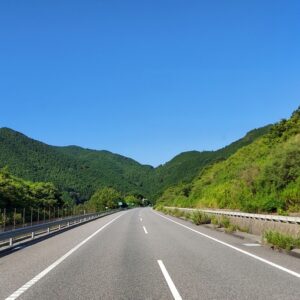
Nearby ran a national highway.
Between the lanes was a narrow strip of land. Tall grasses, like pampas grass, grew densely there. Beneath them stretched a long, narrow puddle of water. Whether it had formed naturally or had once been dug by someone, we never knew.
We called it “the river.”
In that tiny waterside place lived American crayfish.
Sometimes we found crucian carp as well. Water striders ran across the surface, and dragonflies circled above.
With only a little water and grass, a cycle of life quietly existed there.
When I was young, I believed something without question.
If grass grew and water was there, living creatures would naturally appear.
I thought that was simply how the world worked.
Eventually entrance examinations and schoolwork filled my days, and I stopped visiting that place.
After graduating from high school, I left my family home and did not return to the town for a long time.
Several years later, after getting my driver’s license, I was driving toward my parents’ house for the first time in a while.
On the way, my eyes happened to fall on the strip of land dividing the highway lanes.
The grass was gone.
It had been neatly cut away, and the ground had been leveled flat.
The water we had called “the river” had been completely filled in. The water was gone. The plants were gone. Nothing remained.
And on the vacant lot where weeds had once grown thickly, a massive warehouse belonging to a transportation company was under construction.
In only about five years, the landscape had completely changed.
There was almost no soil left to be seen.
What happened to the many living creatures that once lived there?
Perhaps the insects of the grassland were able to move somewhere else.
But the creatures of the water must have had almost nowhere to go.
Where did the crayfish, the carp, and the water striders go when the water was buried?
There is no answer.
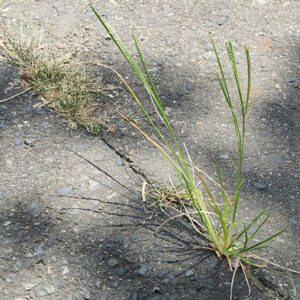
The city today is covered in concrete and asphalt.
The grasshoppers, dragonflies, and water striders that once seemed so ordinary are no longer seen.
In summer, I sometimes see cicadas lying dead on the asphalt.
Lives that should have completed their final role on soil instead dry out on hard ground.
And in the end, they are collected simply as garbage.
The city has become more convenient.
Roads are improved, warehouses are built, and the land is carefully managed.
But in exchange, we have lost the soil.
When I was a child, I believed something.
If grass grew and water existed, living creatures would appear naturally.
But in the city now, there is almost no grass, no water, and hardly any soil left.
There is no longer a place where life can appear.
In a city without soil, living things quietly lose their place to be.
コメント