

Japanese | English
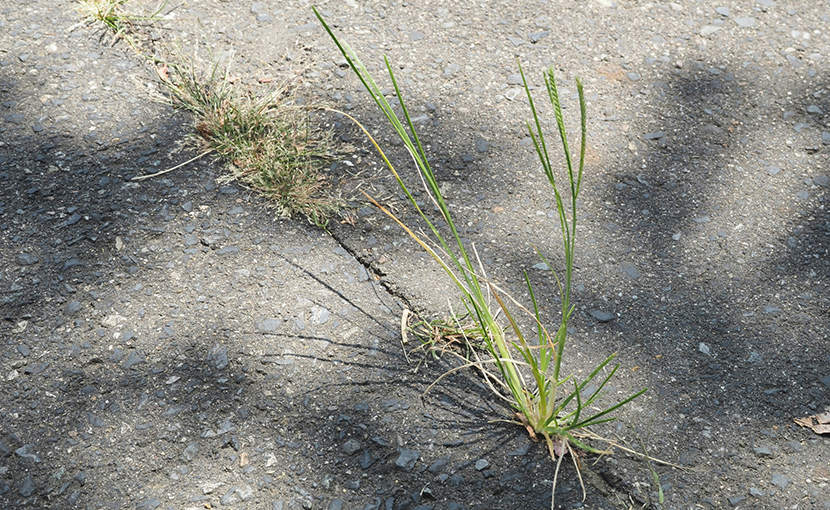
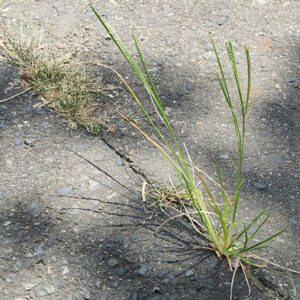
We call the plants that push through cracks in the pavement weeds.
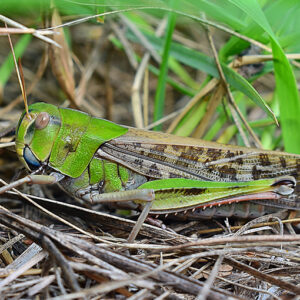
We call the insects that appear in our kitchens pests.
In the moment we name them, we diminish them.
Once labeled, they are no longer lives with functions, but problems to be removed.
But are they truly “weeds”? Truly “pests”?
A weed is simply a plant growing where human intention does not permit it.
In a cultivated field, it is uprooted. In a manicured garden, it is trimmed away. Yet that same plant, growing in the mountains, may be called a wildflower. If it has medicinal properties, it becomes an herb. If it is edible, a delicacy.
The organism does not change.
Only the framework of evaluation does.
Many so-called weeds are pioneer species. In ecological succession, they are the first to colonize disturbed soil. They stabilize ground exposed by erosion, accumulate organic matter, and prepare the substrate for more complex communities to follow. They appear precisely where the system has been disrupted.
They grow because the environment requires repair.
They grow because they are necessary.
The same is true of pests.
They consume crops, invade homes, bite, transmit disease. The damage can be real and serious. Yet within ecological systems, these organisms are decomposers, prey, predators, pollinators—participants in trophic networks far more intricate than human convenience.
Outbreaks often occur not because the species is inherently malicious, but because we construct environments that favor them: monocultures stretching across landscapes, absence of natural predators, abundance concentrated in one place.
We pursue efficiency and uniformity.
Certain species respond with extraordinary adaptability.
We then call this success “harm.”
But they are not acting with intent.
They are responding to conditions.
They live because the system allows—and often demands—their role.
The terms weed and pest are not biological classifications. They are anthropocentric judgments. They reveal more about our priorities than about the organisms themselves.
Shift the perspective slightly, and the contours of the world begin to change.
The plant breaking asphalt becomes an emblem of resilience.
The insect in the corner becomes an indicator of imbalance—an ecological signal rather than an enemy.
What we attempt to eradicate may, in fact, be information.
What we condemn may be function.
This does not mean abandoning agriculture or sanitation. Coexistence has limits. Boundaries are necessary. Yet indiscriminate hostility narrows understanding. When we define existence solely by utility to ourselves, we impoverish our grasp of interconnected systems.
If we suspend the word weed, we see regeneration.
If we suspend the word pest, we see circulation and adaptation.
Nature does not operate according to moral categories of good and evil.
It operates through relationships—dynamic, contingent, reciprocal.
The pattern extends beyond ecology.
In societies, too, we designate what is inefficient, disruptive, inconvenient. We isolate what does not conform. We label what unsettles our structures.
But perhaps what appears superfluous is corrective.
Perhaps what seems intrusive is diagnostic.
Like the grass that fractures pavement.
Like the insect that signals excess.
When weeds cease to be weeds,
when pests cease to be pests,
it is not the organisms that have transformed.
It is the lens through which we see them.
They grow because they are necessary.
They live because they are necessary.
And when we recognize that necessity, the world becomes less a battlefield—and more a system in which even what we resist has its place.






コメント